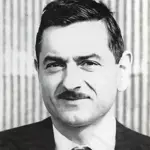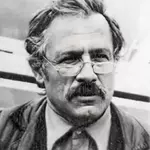
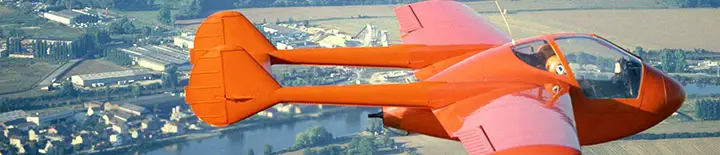

Minijets : Le site des passionnés de l’aviation légère à réaction
Bienvenue sur Minijets
Minijets.org est un site dédié à la documentation et à l’histoire des mini-avions à réaction. Notre objectif principal est de partager des informations historiques, techniques, et passionnantes autour de ces appareils uniques, en mettant en lumière les acteurs et les innovations qui ont marqué cette aventure aéronautique. Ce site est avant tout un espace de découverte et de transmission de savoir, et non une plateforme commerciale. Nous vous invitons à explorer nos contenus et à contribuer à l’enrichissement de cette documentation si vous le souhaitez.
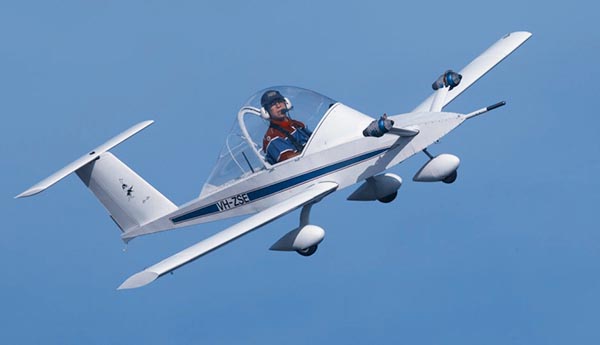
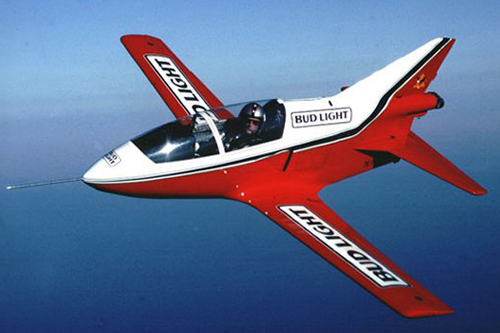
Classe 1
0 à 100 N
Microréacteurs
18 moteurs · 34 avions
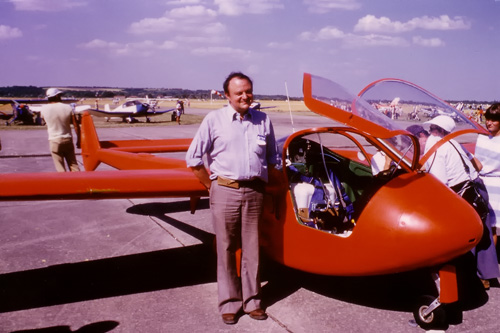
Classe 2
100 à 150 N
Petits réacteurs
8 moteurs · 36 avions
Classe 3
150 à 300 N
Réacteurs légers
8 moteurs · 29 avions

Classe 4
300 à 500 N
Moyenne puissance
15 moteurs · 60 avions
Genèse du site
Nos recherches ont débuté en 1990, et en 2001, nous avons commencé à partager nos découvertes en ligne. Le site Minijets a vu le jour en 2003. Bien que toujours en évolution, il se distingue par son ambition de devenir une référence, même s’il n’atteindra peut-être jamais l’exhaustivité. Toutefois, il peut grandement s’enrichir grâce à vos contributions. Si vous remarquez des erreurs, des imprécisions, ou si vous détenez des informations, anecdotes, ou photos pertinentes, n’hésitez pas à nous contacter. Ensemble, nous pouvons rendre ce projet encore plus complet.
Une passion
Lorsque la passion vous anime, elle s’accompagne souvent d’un désir profond de partage. C’est exactement ce que nous ressentons pour ces mini-avions à réaction. Après un lancement prometteur en 1949, cette innovation française, portée par les sociétés Fouga et Turboméca, s’est peu à peu effacée face aux exigences de rentabilité. Dans les années 50, nos prédécesseurs, pilotes, rêvaient de “minijets” dans les aéroclubs. Aujourd’hui, ces rêves se tournent davantage vers l’ULM.
Classification
Si le terme Minijet a été utilisé pour la première fois en 1950 (pour désigner commercialement le SIPA 200), notre intention lors de la création de ce site était de l’employer pour présenter des avions équipés de réacteurs de faible puissance.
Nous n’avions pas pour ambition de proposer une classification basée sur la poussée des moteurs. Celle que nous utilisons ici a été choisie pour des raisons de simplicité et de présentation sur le sit
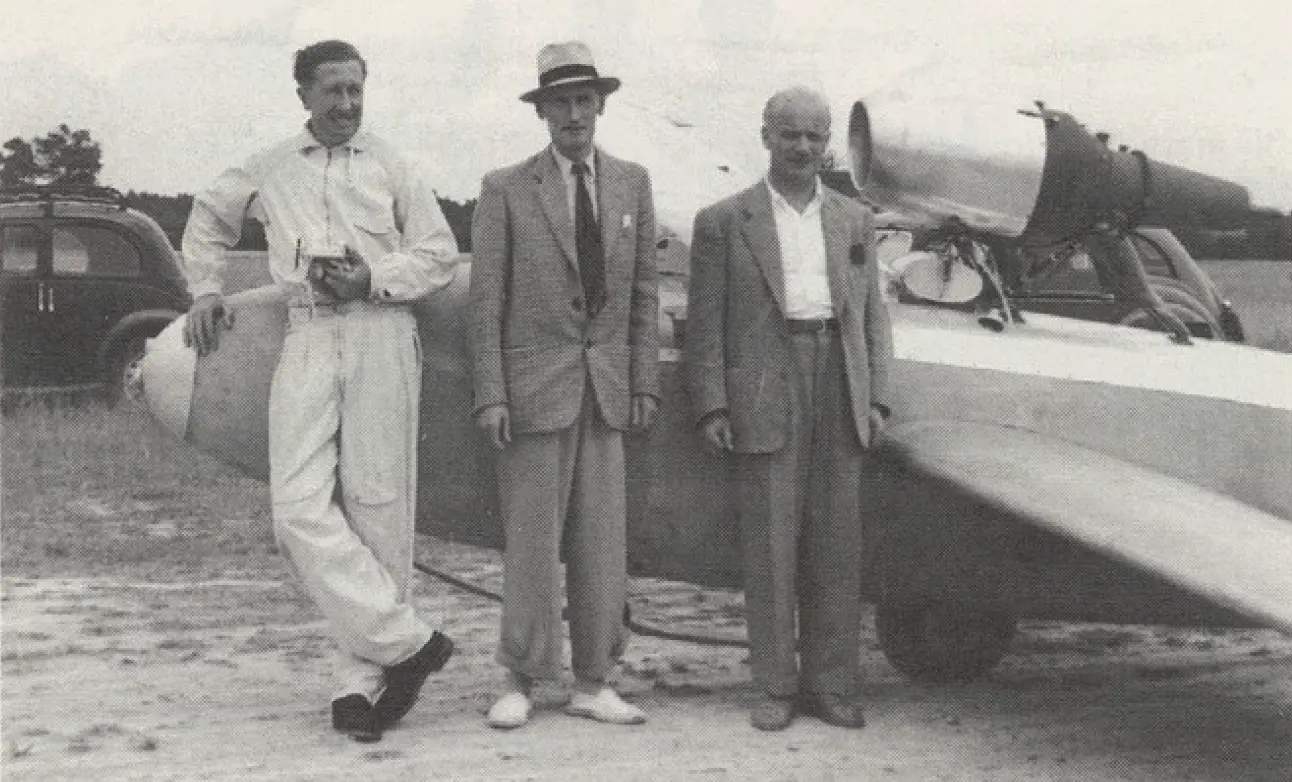
Autour de l’univers des minijets
Au-delà des quatre classes de réacteurs, Minijets propose d’explorer les autres dimensions de cette aventure aéronautique : les hommes qui l’ont portée, ainsi que les technologies alternatives qui ont ouvert d’autres voies.
 Français
  English